

What Is a Caregiver and Why It Matters

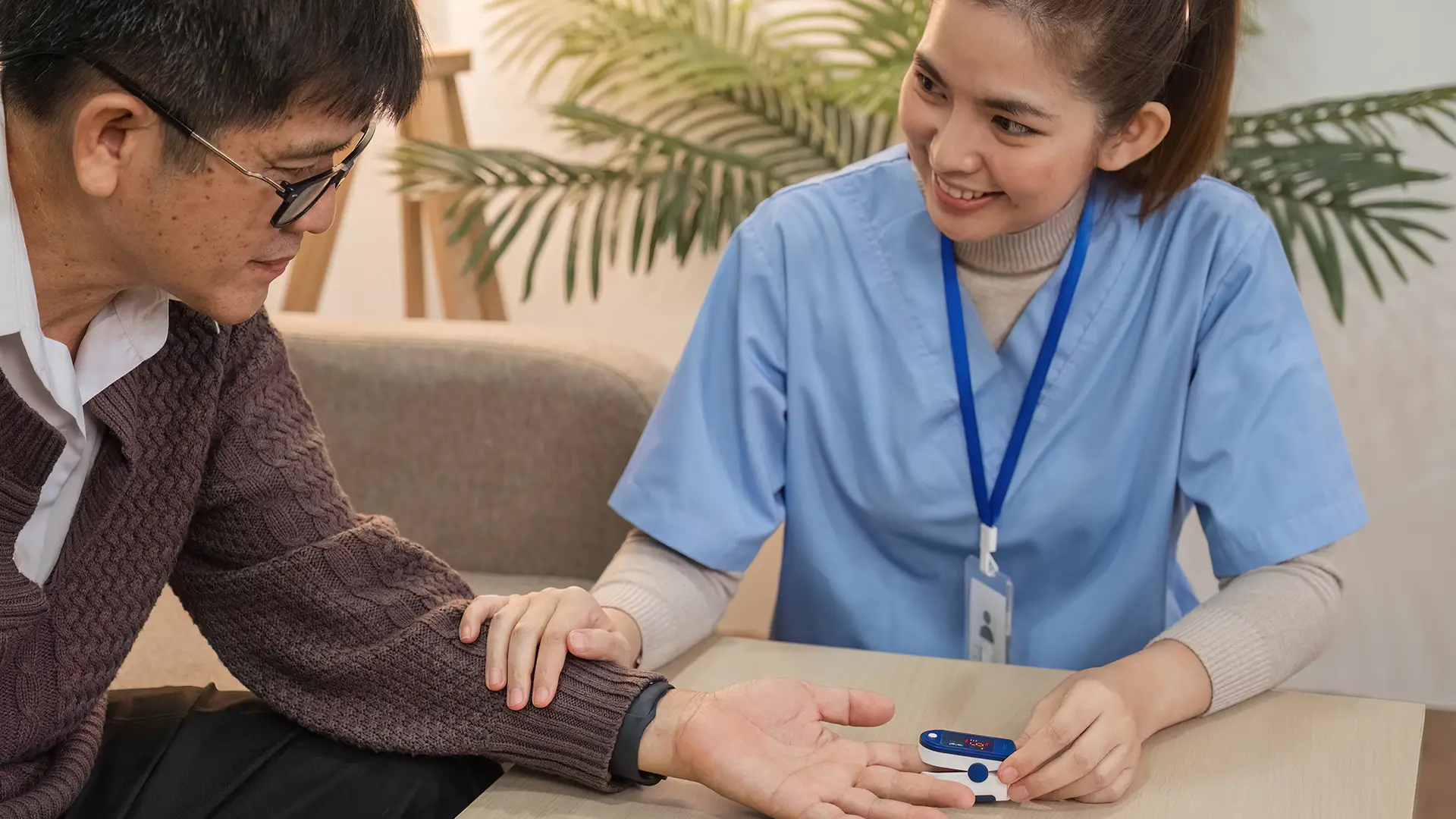
At Assisted Caregiver, we recognize the vital role that effective communication plays in the realm of assisted caregiving. Our commitment to providing exceptional care for elderly individuals extends to ensuring that every interaction is characterised by clear and empathetic communication.
In our experience as assisted caregivers, we’ve found that active listening is fundamental to fostering meaningful connections with elderly individuals. By attentively listening to their concerns, desires, and preferences, we demonstrate empathy and respect for their unique experiences.
Empathy lies at the heart of our approach to communication with elderly individuals. We understand that each person has their own journey and challenges, and by empathising with their emotions and perspectives, we create a supportive environment where they feel valued and understood.
Clarity and conciseness are essential when communicating with elderly individuals, particularly those with cognitive impairments. We strive to use simple language and avoid jargon, ensuring that our messages are easily understood and resonate with our clients.
While verbal communication is crucial, we also recognize the significance of non-verbal cues when interacting with elderly individuals. Maintaining eye contact, using appropriate facial expressions, and positive body language convey warmth and sincerity, enhancing the overall quality of communication.
Each elderly individual has unique preferences, abilities, and communication styles. We adapt our approach to align with their needs, whether it involves verbal prompts, written communication, or non-verbal cues. By respecting their autonomy and choices, we foster a sense of empowerment and dignity.
Patience is a virtue when communicating with elderly individuals, especially those with cognitive or physical limitations. We understand the importance of allowing ample time for responses, refraining from interrupting, and offering reassurance and encouragement throughout the conversation.
Consistency is key to building rapport and trust with elderly individuals. We prioritise regular communication, whether it’s through daily check-ins, scheduled visits, or phone calls. By maintaining a consistent presence and demonstrating genuine care and concern, we strengthen our bond with our clients.
At Assisted Caregiver, we believe that effective communication is the cornerstone of providing exceptional care for elderly individuals. Through empathy, active listening, and adaptability, we strive to create meaningful connections that enhance the well-being and quality of life of our clients. With our commitment to clear and compassionate communication, we aim to set a new standard of excellence in assisted caregiving.
About Us
Your preferred caregiver solution

Blk 313 Old Birdcage Walk #01-16, Singapore, 798486
Recent Post
What Is a Caregiver and Why It Matters
Types of Respite Care Providers: Giving Family Caregivers a Break
Navigating the Role of Personal Care Assistants: Support for Activities of Daily Living (ADL)