

What Is a Caregiver and Why It Matters


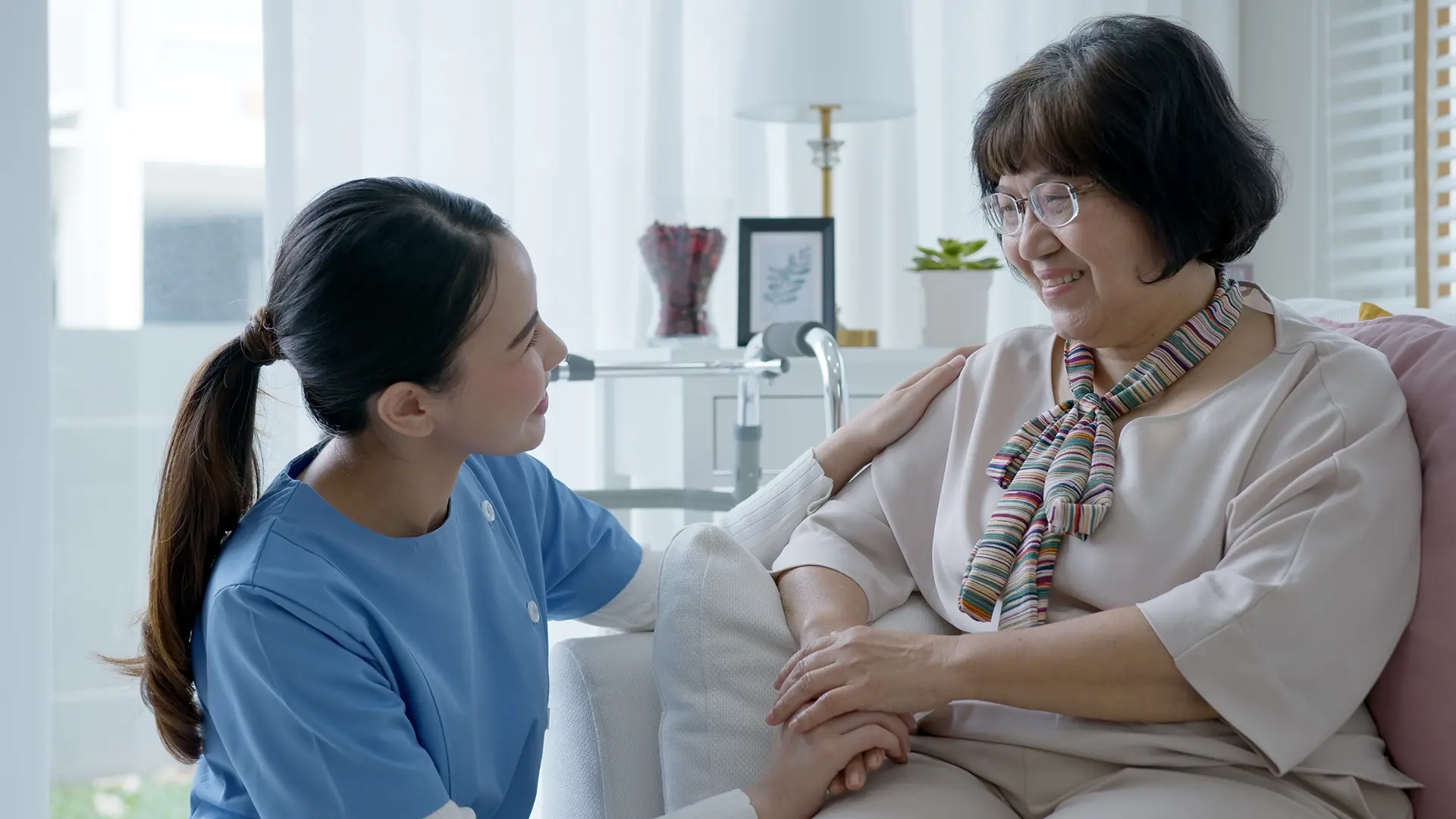
Choosing Caregivers: Exploring the Contrasts Between Live-In and Part-Time Care
In an era where caregiving services are in increasing demand, the task of selecting the right caregiver for a loved one is more crucial than ever. Two common options families consider are live-in and part-time caregivers. Understanding the distinctions between these arrangements can significantly impact the quality of care provided.
Live-in caregiving involves a caregiver residing with the care recipient, providing around-the-clock assistance. This arrangement ensures 24/7 availability and continuous care. While it offers enhanced companionship and immediate support during emergencies, potential strains on the caregiver and care recipient relationship and limited privacy are important considerations.
Part-time caregiving, on the other hand, involves caregivers working scheduled hours with greater flexibility. This allows for more independence for the care recipient and flexibility for both the caregiver and the family. However, potential gaps in care during non-working hours and less consistent emotional support should be taken into account.
The decision to engage either live-in or part-time care for a loved one requires a nuanced understanding of the distinctive features each option brings to the table. The differences between these two caregiving arrangements extend beyond mere hours and touch upon critical aspects such as the level of care and supervision, the impact on relationships, and the financial considerations involved.
Live-in care stands out for its ability to provide continuous monitoring and supervision. With a live-in caregiver, there is an unbroken presence, ensuring that the care recipient receives assistance around the clock. This constant vigilance is particularly beneficial for individuals with complex medical needs, ensuring immediate response to emergencies. On the other hand, part-time care, with its scheduled hours, may leave gaps in supervision during non-working hours. This distinction is pivotal in determining the appropriateness of each option based on the specific health requirements of the care recipient.
The dynamics between the caregiver and the care recipient are profoundly influenced by the choice between live-in and part-time care. Live-in care often fosters closer relationships as the caregiver becomes an integral part of the daily life of the care recipient. However, this constant proximity may inadvertently strain personal boundaries, potentially affecting the level of privacy for both parties. In contrast, part-time care allows for more privacy, offering a respite during non-working hours. While this privacy can be advantageous, it may come at the cost of less consistent emotional support, as the caregiver is not continuously present.
Cost is a significant factor influencing the decision between live-in and part-time care. Live-in care tends to be more expensive due to the continuous availability of the caregiver. The round-the-clock nature of this arrangement demands a higher financial commitment. In contrast, part-time care allows for cost savings, as the caregiver is only present during scheduled hours. Families with budget constraints may find part-time care more financially feasible, balancing quality care with economic considerations.
In navigating the choice between live-in and part-time care, it is crucial for families to weigh these key differences against the specific needs and preferences of the care recipient. The decision ultimately hinges on factors such as health conditions, the desired level of companionship, and the financial resources available. By considering these aspects comprehensively, families can make an informed choice that prioritizes the well-being and comfort of their loved one while effectively managing the practicalities of caregiving.
When considering the caregiving needs of your loved one, it’s imperative to adopt a holistic approach that takes into account various facets of their well-being. This involves a thorough assessment of their health, mobility, and emotional state, as well as an evaluation of the family dynamics and existing support systems. By doing so, you can tailor the caregiving arrangement to meet their specific requirements and provide a comprehensive and compassionate care plan.
Begin the assessment by closely examining the health condition of your loved one. Identify any chronic illnesses, disabilities, or specific medical requirements that demand attention. Understanding their health status is crucial in determining the level of care needed. For instance, if your loved one has complex medical needs or requires frequent medical attention, a live-in caregiver may be a more suitable choice due to the continuous support they can provide.
Mobility is a key factor influencing the caregiving arrangement. Evaluate your loved one’s ability to move around independently and perform daily activities. If mobility is a challenge, a live-in caregiver can offer consistent assistance, ensuring safety and support at all times. On the other hand, if your loved one maintains a reasonable level of independence in their movements, part-time caregiving with scheduled assistance might be a viable option, allowing them to retain a sense of autonomy.
Consider the emotional well-being of your loved one, as mental health is an integral aspect of overall wellness. Assess factors such as companionship, social interaction, and emotional support. A live-in caregiver can provide continuous companionship, fostering a deeper emotional connection. Meanwhile, part-time caregivers may offer targeted support during specific hours, necessitating additional family or community involvement to ensure emotional well-being is consistently addressed.
Evaluate the dynamics within your family and the existing support systems available. Consider the availability and willingness of family members to contribute to caregiving responsibilities. Assess whether the family can provide supplementary assistance during non-caregiver hours. This evaluation helps determine the level of reliance on external caregivers and whether a live-in or part-time arrangement aligns with the family’s capabilities and preferences.
By conducting a comprehensive assessment that considers the physical, emotional, and familial aspects of your loved one’s needs, you can make an informed decision regarding the most suitable caregiving arrangement. Tailoring the care plan to address the unique circumstances of your loved one ensures a holistic and supportive environment that promotes their overall well-being.
As families stand at the crossroads of deciding between live-in and part-time care, a thoughtful and well-informed decision-making process becomes paramount. This involves a series of strategic steps aimed at aligning the caregiving choice with the specific needs, preferences, and practical considerations of both the care recipient and the family.
Initiate the decision-making journey by seeking counsel from healthcare professionals and caregiving experts. These professionals possess a wealth of knowledge and experience, offering valuable insights into the specific requirements dictated by the care recipient’s health condition. Their expertise ensures that the chosen caregiving arrangement is not only suitable but also tailored to address any unique challenges that may arise.
Transparent and open communication is the cornerstone of a successful caregiving arrangement. Engage in meaningful conversations with the care recipient, placing importance on their preferences, concerns, and comfort. Understanding their desires ensures that the chosen caregiving model aligns with their lifestyle and fosters a collaborative approach to their well-being.
The financial aspect is a pivotal component of the decision-making process. Evaluate the budgetary implications of both live-in and part-time care, considering the long-term financial sustainability. Assessing the cost of each option enables families to make a decision that not only meets the care recipient’s needs but also fits within the family’s financial framework.
The final step involves a meticulous weighing of the pros and cons associated with each caregiving option. Consider the unique circumstances of your family dynamics, the health requirements of the care recipient, and the desired level of emotional and physical support. This holistic evaluation empowers families to make a decision that strikes the delicate balance between providing comprehensive care and addressing the practicalities of daily life.
In undertaking these steps, families can embark on a decision-making process that ensures the chosen caregiving arrangement not only meets the immediate needs of the care recipient but also aligns with the broader context of family dynamics and financial considerations. It’s a journey guided by expertise, communication, and a deep commitment to the well-being of the loved one in need of care.
In the labyrinth of caregiving choices, the decision between live-in and part-time care should be a well-considered journey. By carefully weighing the distinctions and aligning them with the unique needs and preferences of your loved one, you pave the way for a caregiving experience that promotes not just physical health but also emotional well-being. Making an informed decision ensures that the selected caregiver becomes a pillar of support, contributing to a higher quality of life for your family member in need. This journey, rooted in understanding and consideration, signifies a commitment to nurturing the holistic well-being of those we hold dear.
About Us
Your preferred caregiver solution

Blk 313 Old Birdcage Walk #01-16, Singapore, 798486
Recent Post
What Is a Caregiver and Why It Matters
Types of Respite Care Providers: Giving Family Caregivers a Break
Navigating the Role of Personal Care Assistants: Support for Activities of Daily Living (ADL)