Navigating the Role of Personal Care Assistants: Support for Activities of Daily Living (ADL)

Navigating the Role of Personal Care Assistants: Support for Activities of Daily Living (ADL)

Personal care assistants play a pivotal role in providing essential support for daily living activities. From aiding individuals with disabilities to assisting ageing adults, these professionals offer invaluable assistance that fosters independence and enhances quality of life. In this comprehensive guide, we delve into the multifaceted role of personal care assistants, exploring their responsibilities, qualifications, and the profound impact they have on those they serve.


Understanding the Role

Personal care assistants, often referred to as caregivers or home health aides, are trained professionals entrusted with the responsibility of supporting individuals who require assistance with various daily living activities. These activities encompass a wide spectrum, including but not limited to:

Activities of Daily Living (ADLs)

ADLs are fundamental tasks necessary for self-care and independent living. They include:

  • Personal Hygiene: Assisting with bathing, grooming, oral care, and toileting.
  • Dressing: Helping individuals select appropriate clothing and dressing comfortably.
  • Mobility: Providing assistance with walking, transferring from bed to chair, and mobility aids.
  • Nutrition: Preparing meals, feeding assistance, and monitoring dietary intake.
  • Continence Management: Assisting with maintaining bladder and bowel control.

Instrumental Activities of Daily Living (IADLs)

IADLs are more complex tasks essential for maintaining a household and living independently. They include:

  • Household Management: Performing light housekeeping tasks, laundry, and grocery shopping.
  • Medication Management: Assisting with medication reminders and ensuring compliance with prescribed regimens.
  • Transportation: Arranging and providing transportation for medical appointments, errands, and social outings.
  • Communication: Facilitating communication with healthcare providers, family members, and other caregivers.


Qualifications and Training

Personal care assistants undergo specialised training to equip them with the necessary skills and knowledge to fulfil their role effectively. While specific requirements may vary depending on the setting and state regulations, common qualifications and training include:

  • Certification: Many personal care assistants obtain certification through accredited programs, which typically involve classroom instruction and hands-on clinical training.
  • CPR and First Aid Certification: Training in cardiopulmonary resuscitation (CPR) and first aid is often required to handle emergencies and ensure the safety of clients.
  • Background Checks: Background checks, including criminal history and reference verification, are commonly conducted to ensure the trustworthiness of individuals entering clients’ homes.
  • Continuing Education: Personal care assistants may participate in ongoing training and professional development to stay updated on best practices and advancements in the field.


The Impact of Personal Care Assistants

The support provided by personal care assistants extends far beyond physical assistance with daily tasks. These professionals play a crucial role in promoting overall well-being and enhancing the quality of life for their clients. Some key aspects of their impact include:

  • Independence: By assisting individuals with daily activities, personal care assistants enable them to maintain independence and dignity, fostering a sense of autonomy and self-confidence.
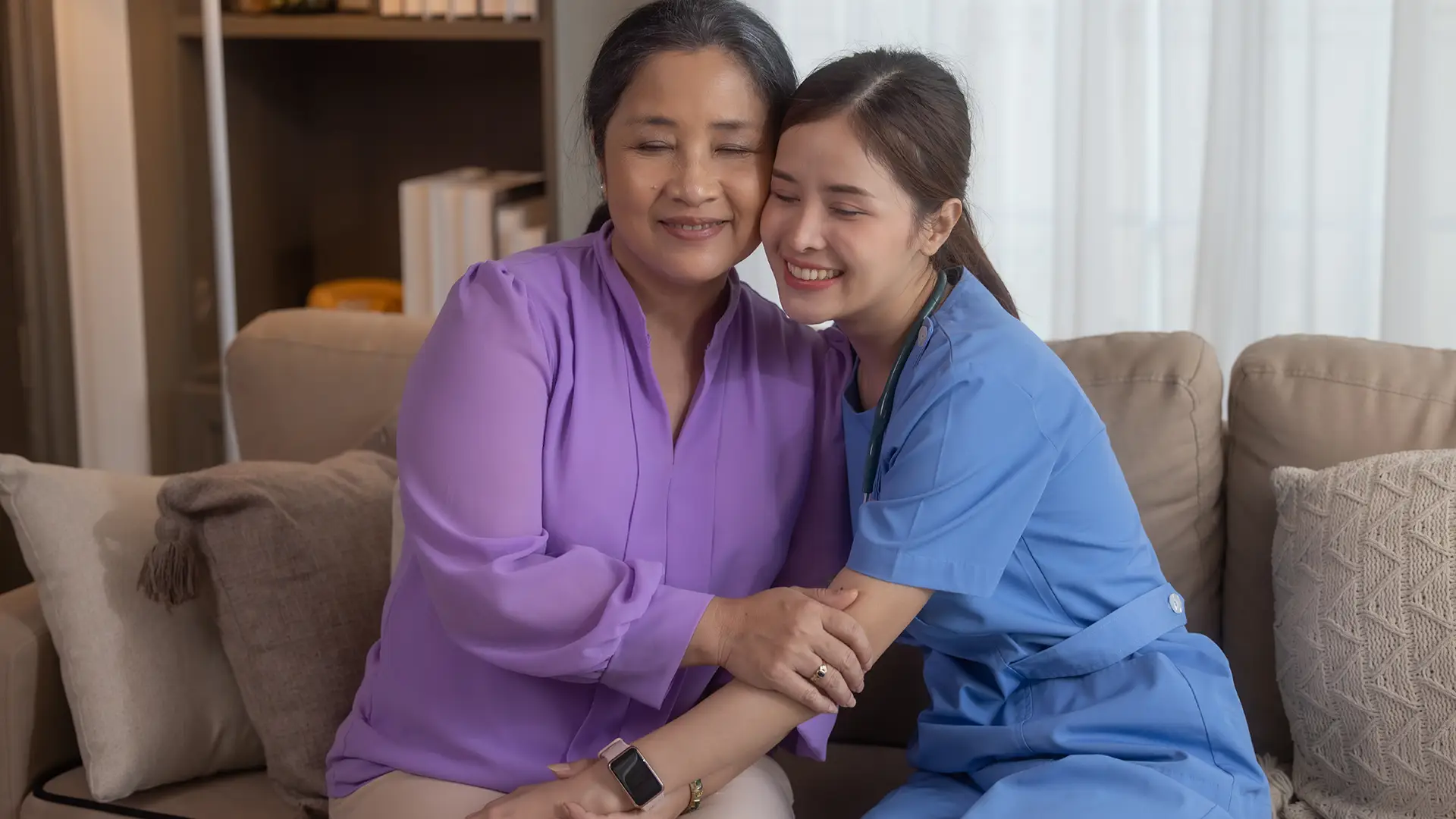
  • Companionship: Personal care assistants often develop close relationships with their clients, offering companionship, emotional support, and encouragement, which are vital for mental and emotional well-being.
  • Safety: Personal care assistants help create a safe environment for their clients, identifying and mitigating potential hazards and providing assistance in emergency situations.
  • Peace of Mind: For family members and loved ones, personal care assistants provide reassurance and peace of mind, knowing that their loved ones are receiving compassionate and reliable care.


Conclusion

In conclusion, personal care assistants play a pivotal role in supporting individuals with daily living activities, enhancing their independence, well-being, and overall quality of life. Through their dedication, compassion, and specialised training, these professionals make a profound difference in the lives of those they serve, embodying the essence of caregiving excellence.

You have any questions in mind?
Contact us by clicking the button below!

Leave a Reply

Your email address will not be published. Required fields are marked *

About Us

Your preferred caregiver solution

Blk 313 Old Birdcage Walk #01-16, Singapore, 798486

Recent Post

What Is a Caregiver and Why It Matters


Types of Respite Care Providers: Giving Family Caregivers a Break

Navigating the Role of Personal Care Assistants: Support for Activities of Daily Living (ADL)

Have a Question?

Speak with us on your care needs today!