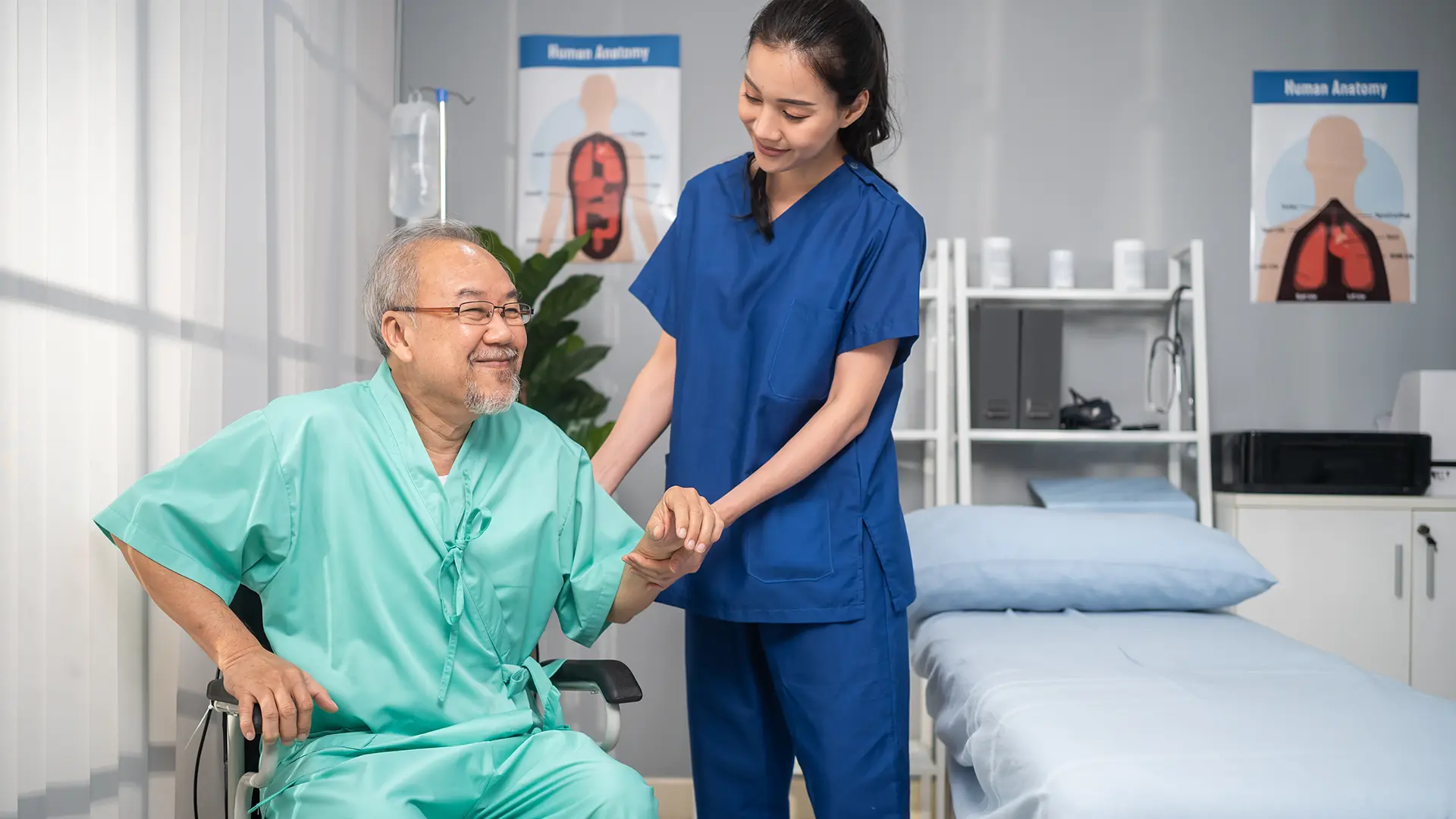
Personal hygiene care is essential for individuals’ morale and well-being, particularly those requiring assistance due to age, illness, or disability. Caregivers play a crucial role in tasks such as bathing, oral care, eliminating, and grooming, ensuring the physical and emotional comfort of care recipients.
From topics like bathing, teeth/mouth care, dressing, toileting, and eating to providing comprehensive personal care, caregivers are trained for all of them at Assisted Caregivers (ACG). Here is what we focus on and what you need to know before engaging us!
Assistance in Showering, Toileting & Dressing
Providing assistance in showering, toileting, and dressing is a fundamental aspect of caregiving, promoting both the physical and emotional well-being of care recipients.
Maintaining Cleanliness through Regular Showering
- Regular showering is crucial for personal hygiene, preventing infections, and ensuring the care recipient’s overall health.
- Caregivers play a vital role in facilitating and supporting individuals in maintaining cleanliness through regular showering, contributing to their comfort and confidence.
Assistance with Toileting
- Toileting assistance requires a delicate approach, emphasising dignity and privacy.
- Respecting the care recipient’s preferences and autonomy is essential, fostering a sense of independence even in the face of assistance.
Assisting with Dressing
- Assisting with dressing involves considering the care recipient’s comfort and preferences.
- Caregivers should be attentive to clothing choices, opting for comfortable and loose-fitting garments that align with the care recipient’s mobility.
General Skin Care and Preventing Pressure Sores
Proper skin care is essential for preventing infections and discomfort, particularly for individuals with specific health needs. Here are some key considerations when we train our caregivers.
Significance of Skin Care
- Skin serves as a crucial barrier against infections. Regular care, including gentle cleansing and moisturisation, helps maintain this protective barrier.
- For those with compromised health, such as the elderly or individuals with limited mobility, skin care is vital to prevent conditions like pressure sores. Our caregivers will be able to identify areas that need additional moisturisation and massage to prevent pressure sores.
Tips for Maintaining Healthy Skin
- Limiting bath time and avoiding hot water help retain skin oils.
- Choosing mild cleansers and washing gently without scrubbing contribute to overall skin health.
- Adequate hydration, both internally through water consumption and externally through moisturisation, promotes skin elasticity and comfort.
Guidance on Preventing Pressure Sores
- Repositioning individuals every 2 hours is recommended to reduce pressure on vulnerable areas.
- Specialised cushions and mattresses designed to distribute pressure evenly can be valuable tools in preventing pressure sores.
Oral Care: Cleaning of Mouth, Teeth, or Dentures
Maintaining oral hygiene is integral to overall health. According to the World Health Organization (WHO), good oral care not only prevents common issues like tooth decay and gum disease but is also linked to a lower risk of systemic diseases such as diabetes and heart disease.
Steps for Cleaning
- Mouth: Encourage regular brushing using a fluoride toothpaste to remove plaque and bacteria.
- Teeth: Brush teeth gently, paying attention to all surfaces, at least twice a day.
- Dentures: Clean dentures daily, using a denture cleanser or mild soap and warm water. Brushing helps remove debris.
Addressing Common Challenges
- Dry Mouth: Encourage staying hydrated and consider saliva substitutes.
- Denture Issues: Address ill-fitting dentures promptly to prevent discomfort.
- Limited Mobility: Provide adaptive tools like electric toothbrushes for easier oral care.
Conclusion
In conclusion, the role of caregivers in assisting care recipients with personal hygiene is vital. Proper personal hygiene significantly influences the care recipient’s health, preventing adverse effects such as infections and enhancing their comfort.
Caregivers play a crucial role not only in performing hygienic tasks but also in approaching these responsibilities with empathy. Understanding the care recipient’s preferences and needs fosters a positive caregiving environment.
Attention to personal hygiene contributes to the care recipient’s emotional and physical well-being, creating a sense of dignity and maintaining a higher quality of life.